
Explore
Classic slots
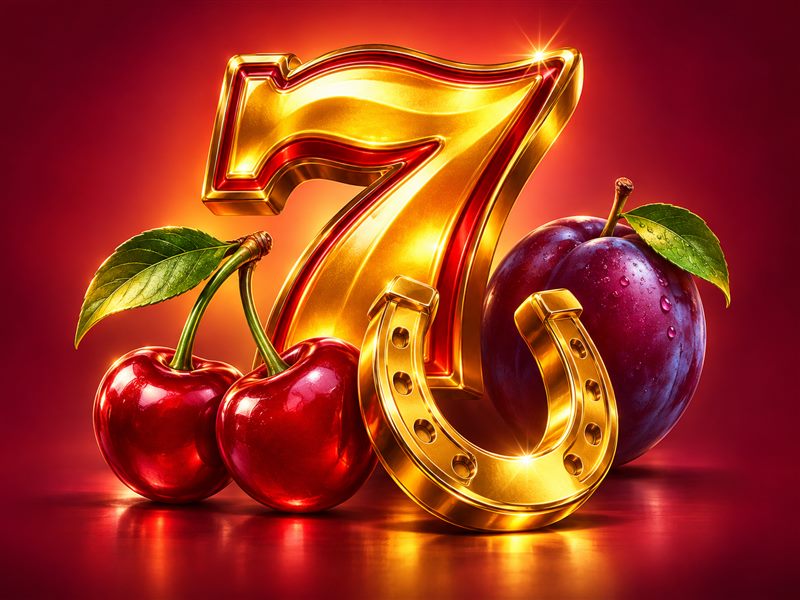
Classic slots use a familiar visual language of fruit, bars, bells and sevens. The appeal often begins with a compact screen and symbols you can recognize quickly. This collection at 888 Slot Games looks at how a simple-looking layout still has particular rules to check. Start with the paths used for matching, the role of each special symbol and what the game calls the total stake.
The look of a traditional reel game
The symbols can refer to a style of physical machine even when the game runs entirely on a screen. A designer may keep a small reel window, add a lever motif or use short sounds to signal a result. These choices create the atmosphere. They do not tell you how many lines are active, what a wild can replace or whether the game includes a separate feature. Enjoy the familiar design while keeping those questions in view. Two titles with nearly the same fruit symbols can organize their matching rules in different ways.
Count the lines that actually participate
A game can show several possible paths while only some are active under a particular setting. Another game may keep all its paylines active and change the amount assigned to them together. Find out which rule applies before reading a result. The number of lines is useful only when it is connected with the total stake and matching direction. A path can run across the middle, form a diagonal or follow another defined pattern. A help screen that draws each line gives you a direct way to check how a visible combination qualifies.
Read a compact paytable carefully
A small set of symbols makes it possible to compare the awards without scanning many pages. Look at whether a symbol has to appear a particular number of times and whether awards use the total stake or an amount attached to a line. The unit beside the number matters. A payment expressed as credits needs to be understood in the context of the game’s settings. If the paytable changes with a setting, read it after confirming the one you intend to use. A familiar three-symbol combination can have a different value from what you remember from another title.
Discover what the wild can do
Some classic-looking games use a wild symbol to stand in for other symbols. Check which ones it can replace and whether it carries its own award. A wild might be excluded from replacing a scatter or a separate feature symbol. Its position can also matter. A game can restrict the symbol to particular reels or require it on an active path. An expanding or held wild adds another rule to follow. These features can exist inside a visually simple layout, so the traditional appearance is a reason to start reading, not a complete explanation of what happens.
Look for exceptions to the matching rule
Some games pay from a particular edge. Others award selected combinations without requiring the same path. A scatter-style award may use the total count of a symbol. Read each exception independently and notice whether the screen marks it differently after a spin. A game can also use a special combination that is described separately from ordinary matches. When a result seems unfamiliar, compare the positions with the relevant part of the help screen before assuming a display error. The simplest-looking games can still depend on these specific distinctions.
Check the controls before a session
Find the total stake, the way it can be changed and whether an additional control affects line participation. On a small screen, some of those controls may be behind a menu. Make the change only after understanding which value it alters. If you are comparing formats, keep the difference between a line amount and a total amount clear. An animation or interface theme may use a coin image even when the display is expressed in a currency. Read the actual unit so the result and the amount selected make sense together.
Understand a quick result
A short animation can make a classic format feel immediate. Follow the displayed amount to see whether the game is showing the award for one line or a total for several qualifying lines. A screen may highlight one path at a time before displaying the combined result. The timing of that presentation does not change what the rules award. If you have trouble reading the figures, look for a control that makes the animation more comfortable or return to the paytable. Choose a presentation you can understand without repeatedly guessing what a highlighted symbol means.
Compare simplicity in more than one way
A game can be visually simple while using a paytable that requires close attention. Another can have a richer visual style but keep the result display clear. Decide whether simplicity means fewer symbols, fewer controls or an easier sequence to follow. A visitor who prefers a compact reel window might still enjoy a wild feature. Someone who dislikes changing screens may prefer a format where all information stays in one place. Use those distinctions while browsing so that a familiar theme becomes the start of a meaningful comparison.
Keep a broader view of chance
A traditional theme does not make a result more predictable. Seeing a symbol frequently or waiting for a particular match does not establish what the next spin will show. Read the information supplied for the title and consider its conditions separately from its appearance. If you choose to play, decide in advance when the session will finish and what spending limit applies. The game’s pace may feel quick, so time and activity reminders can be useful where the service offers them. A limit is most useful when it is set before the next result becomes your reason to continue.
Explore the next format
The classic collection connects naturally with stories about paylines, symbol roles and readable controls. If you want a broader scene around the same reel idea, continue to video slots. If the next step that interests you is a special round, look at bonus features. 888 Slot Games uses these links to let a visitor compare one element at a time. The more clearly you can describe what you enjoy looking at, the easier it is to find the next collection that answers that interest.